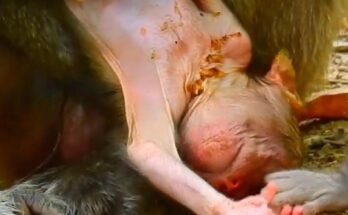
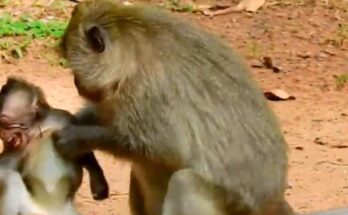
many different things can happen depending on their age, health, and experience. Some monkeys may feel excited at first because they can finally climb trees, explore forests, and live freely in nature. However, life in the wild is often very difficult for monkeys that were raised in captivity. Many captive monkeys do not know how to find natural food, avoid dangerous predators, or protect themselves from harsh weather conditions. They may also struggle to communicate and socialize with wild monkey groups because they did not grow up learning normal monkey behavior.
In some cases, wild monkeys may reject or attack the released monkeys because they see them as strangers. Captive monkeys can become lonely, frightened, and stressed when they are suddenly placed into an unfamiliar environment. Some may wander into villages or roads searching for humans because they are used to human care and feeding. This can create dangerous situations for both people and animals. Another serious problem is disease. Captive monkeys may carry illnesses that could spread to wild monkey populations, causing harm to the ecosystem.
Despite these challenges, some monkeys can successfully adapt if they are slowly rehabilitated before release. Wildlife experts often teach rescued monkeys how to climb, search for food, and interact naturally with others before returning them to the forest. Young monkeys especially need time to learn survival skills from experienced animals. Proper rehabilitation programs greatly increase the chance of survival in the wild.
Releasing captive monkeys into nature is not as simple as opening a cage door. It requires careful planning, medical checks, and support from trained conservation teams. When done correctly, it can give monkeys a second chance at living a healthier and more natural life in the wild.