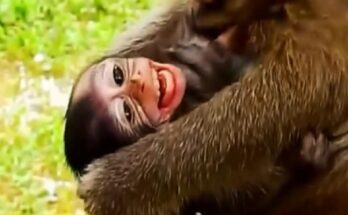
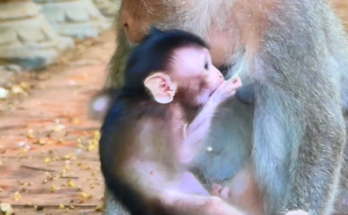
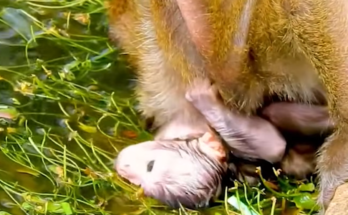
What happens when captive monkeys are finally given a chance to return to the wild? After spending much of their lives in captivity, these monkeys face an entirely new world filled with freedom, challenges, and unexpected dangers. Although returning to nature may seem like a dream come true, the journey is not always easy. For many monkeys, it is the beginning of a difficult but meaningful adventure.
When the enclosure doors open, some monkeys may hesitate, carefully looking around before taking their first steps outside. The fresh air, tall trees, unfamiliar sounds, and open spaces can be overwhelming. Unlike wild monkeys that learn essential survival skills from their mothers and troop members, captive monkeys may have little experience finding natural food, climbing safely, or recognizing potential threats.
At first, their curiosity may lead them to explore slowly. They might touch tree branches, search for fruits, or watch other monkeys from a distance. Some may stay close to familiar companions because they feel safer together. Others may struggle to adapt, especially if they have spent years depending on humans for food and protection.
One of the biggest challenges is learning how to live within a social group. Wild monkey troops have established relationships, communication signals, and social rules. A newly released monkey may need time to understand these behaviors and earn acceptance. Without proper preparation, it could experience stress, isolation, or conflict.
Finding food is another important part of survival. In captivity, meals are usually provided regularly, but in the wild, monkeys must search for fruits, leaves, seeds, and other natural resources. They also need to learn where to find water and how to avoid dangerous situations.
However, with careful rehabilitation, veterinary checks, gradual preparation, and appropriate release conditions, some former captive monkeys can develop the skills needed to adapt. Watching a monkey climb a tree freely, explore its natural surroundings, and interact with other members of its species can be a powerful reminder of the importance of animal welfare.
The return to the wild is not simply about opening a cage. It is about giving these animals the opportunity to rediscover natural behaviors while ensuring their safety and long-term well-being. Every successful step toward independence represents a new beginning for a monkey that once knew only captivity.