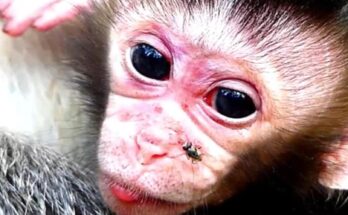
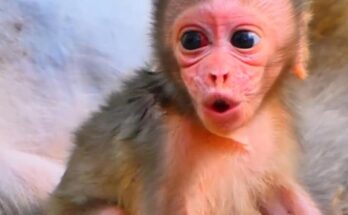
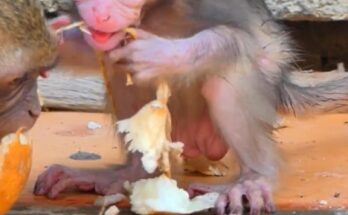
For every newborn animal, a mother is more than a parent—she is a protector, teacher, and source of warmth and nourishment. Living in nature without a mother is one of the greatest challenges a newborn can face. From the moment they are born, young animals depend on their mothers for food, safety, and guidance. Without this care, their chances of survival become much lower.
A mother provides milk that contains the nutrients a newborn needs to grow strong and healthy. She also keeps her baby warm, especially during cold nights, and protects it from predators that roam the wild. In addition, she teaches important survival skills, such as finding food, recognizing danger, and communicating with others of the same species. These lessons cannot be learned overnight and are essential for life in nature.
When a newborn loses its mother because of illness, predators, accidents, or human activities, it must face the harsh environment alone. It may struggle to find food, become vulnerable to attacks, or suffer from loneliness and stress. Many orphaned animals do not survive their first weeks because they are simply too young to care for themselves.
Fortunately, wildlife rescue organizations and conservationists often step in to help orphaned newborns. They provide food, medical care, and safe shelter until the animals are strong enough to return to the wild. These efforts give many young animals a second chance at life while helping to protect endangered species.
The struggles of a motherless newborn remind us of the importance of family and the delicate balance of nature. By protecting wildlife habitats, reducing human impact on ecosystems, and supporting conservation efforts, we can help ensure that more newborn animals have the opportunity to grow up safely under the care of their mothers. Every small action we take can make a meaningful difference in preserving the lives of these vulnerable creatures.